
Miként szabályozta a közösség életét a Batthyány család?
A koraújkori zsidó közösségek mind földesúri védelem alatt álltak Magyarországon. Ez egyszerre jelentett függést a földesúrtól és védelmet is más csoportokkal, a hatalom más szereplőivel szemben. 1784 augusztus 1-én például gróf Batthyány Lajos és a zsidó hitközség közt szerződés köttetett, amelyben megemlítették, hogy a városi hatóság a zsidók letelepedését – különösen városi telken – ellenzi és állandóan nehézségeket gördít a zsidó vallású kereskedők megélhetési lehetőségei elé. „Mi, Nagykanizsa város szegény zsidósága oltalmat kérünk a város erőszakossága ellen. Kifogják fuvarozó lovainkat a város határán azon a jogcímen, hogy előfogatra van szüksége a városnak, még pedig közmunkákra.” – olvasható a vármegyéhez felterjesztett beadványban is. A közösségek belső rendjét többnyire belső szabályzatok határozták meg. A Batthyány család vallási vitákba, a vallási élet belső ügyeibe nem kívánt beleavatkozni. Csupán a gazdasági, kereskedelmi jellegű ügyekkel fordulhattak panasszal a földesúrhoz.
Gróf Batthyány Lajos 1786 október 20-án rendeletet bocsátott ki „Előírás a zsidó hitközségben való jó rend fenntartásáról” címmel, amely érintetlenül hagyja a hitközség vallási autonómiáját, csak panaszok orvoslására szorítkozik. Kimondta: „Minthogy a helybeli zsidóbírót (elnököt) és esküdtjeit (elöljáróit) a zsidó hitközség saját kérelmére a helybeli uradalmi hivatal iktatja be és hagyja jóvá, a községi tagok a zsidóbírónak és esküdtjeinek engedelmességgel tartoznak. Ezek minden egyenetlenségnek véget vetnek. Szigorúan parancsolom és rendelem, hogy minden panasszal elsőízben a zsidóbíróhoz forduljanak, aki az esküdtek hozzájárulásával, pártatlanul a panaszt elintézi s végzését írásba foglalva, a feleknek kézbesítteti. Ha azonban a panaszosok e végzésbe bele nem nyugodnának, fellebbezhetnek az uradalmi ügyészhez vagy helyetteséhez, a tiszttartóhoz, akiktől a perlekedő felek bajaik méltányos elintézését várhatják. Azok a jogi ügyek, amelyek nem a zsidóbíró hatáskörébe tartoznak, közvetlenül az uradalmi ügyészhez utalandók”.
How did the Batthyány family regulate the life of the Jewish community?
In Hungary, Jewish communities in the early modern period were under the protection of landowners. This meant dependence on the landowner and protection from other groups and other powerful figures. On August 1, 1784, for example, Count Lajos Batthyány and the Jewish community signed an agreement stating that the city authorities opposed the settlement of Jews, especially on city land, and constantly created difficulties for Jewish merchants in earning a living. „We, the poor Jews of the city of Nagykanizsa, seek protection against the violence of the city. They seize our transport horses at the city borders that the city needs them for public works," – reads the petition submitted to the county. The internal order of the communities was mostly determined by internal regulations. The Batthyány family did not wish to interfere in religious disputes or internal matters of religious life. They could only complain to the landlord in case of economic and commercial matters.
On October 20, 1786, Count Lajos Batthyány issued a decree entitled „Regulations for maintaining good order in the Jewish community," which left the religious autonomy of the community untouched and was limited to remedying complaints. It stated: „Since the local Jewish judge (president) and jurors (members of the committee) are appointed and approved by the local manorial office at the request of the Jewish community, the members of the community are obliged to obey the Jewish judge and jurors who shall put an end to all disputes. I strictly command and order that all complaints shall first be addressed to the Jewish judge, who, with the consent of the jurors, shall settle the complaint impartially and deliver his decision in writing to all parties. However, if the complainants are not satisfied with this decision, they may appeal to the manorial prosecutor or his deputy, the bailiff, from whom the litigating parties may expect a fair settlement of their disputes. Legal matters that do not fall within the jurisdiction of the Jewish judge shall be referred directly to the district attorney.
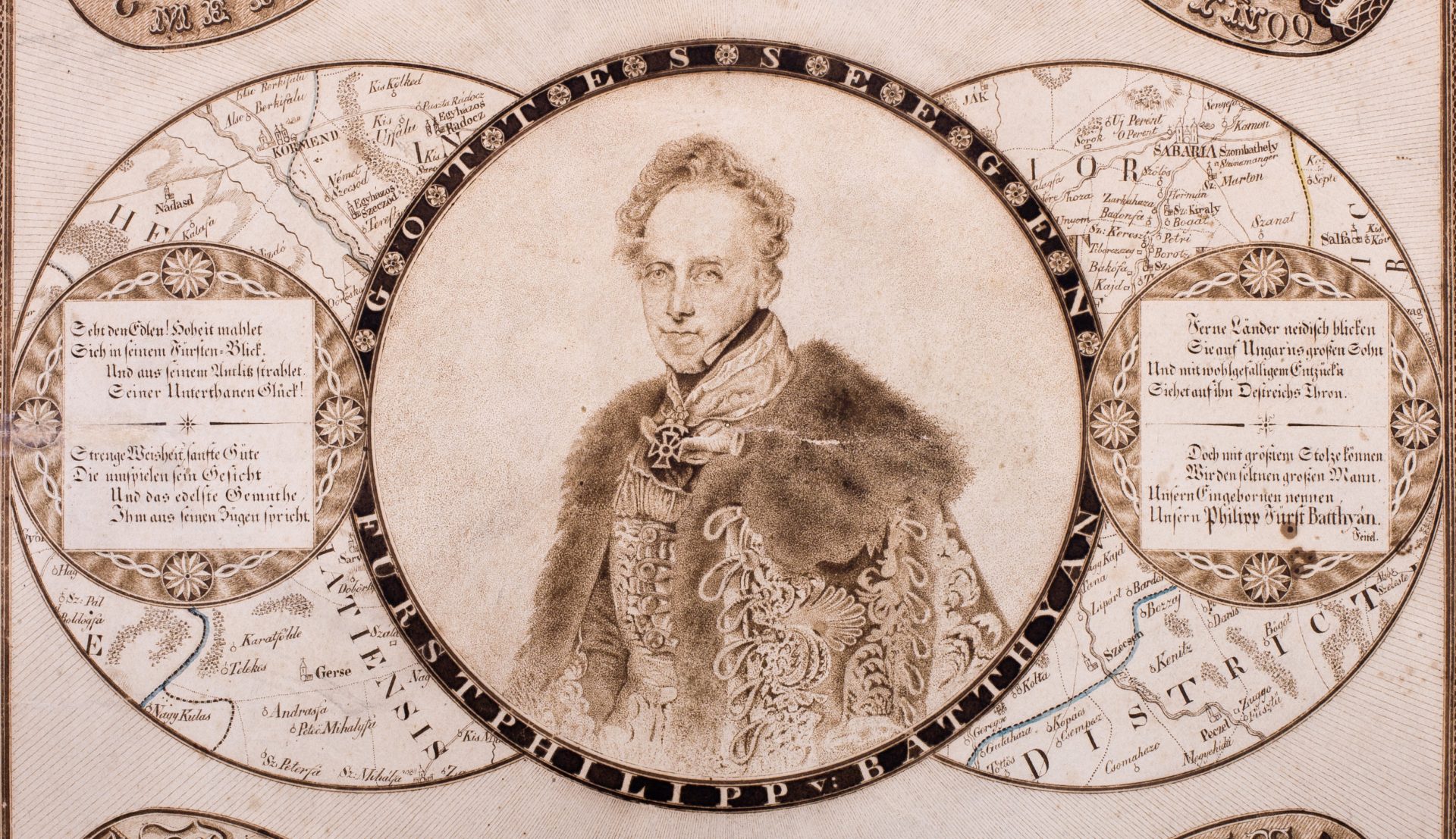
Joseph Fischer Batthyány Fülöp hercegről készült portréja (részlet), 19. század
Papír, tollrajz, kőnyomat
Detail from a 19th-century portrait of Prince Fülöp Batthyány by Joseph Fischer.
Paper, pen drawing, lithograph
© Dr. Batthyány-Strattmann László Múzeum