Milyen képi emlékek maradtak fenn a 18. századi nagykanizsai zsidók világáról?
A 18. század végén több cseh- és morvaországi, valamint magyarországi zsidó közösségben illusztrált könyvek vagy lapok örökítették meg az emberi élet végének, a beteggel és a halottal való közösségi foglalkozás mozzanatait. Mindkettő a Szentegylet – a Hevra Kadisa – feladata volt. Olyan égi érdemszerző jótékonyság volt ez, amely kiemelt értékét abból nyerte, hogy aki kapja, attól már nem várható viszonzásul semmi sem. A szentegyleti tevékenység – bár kapcsolatot jelentett a halotti rituális tisztátlansággal – mégis legtöbbször a közösség fontos tagjai vállalták.
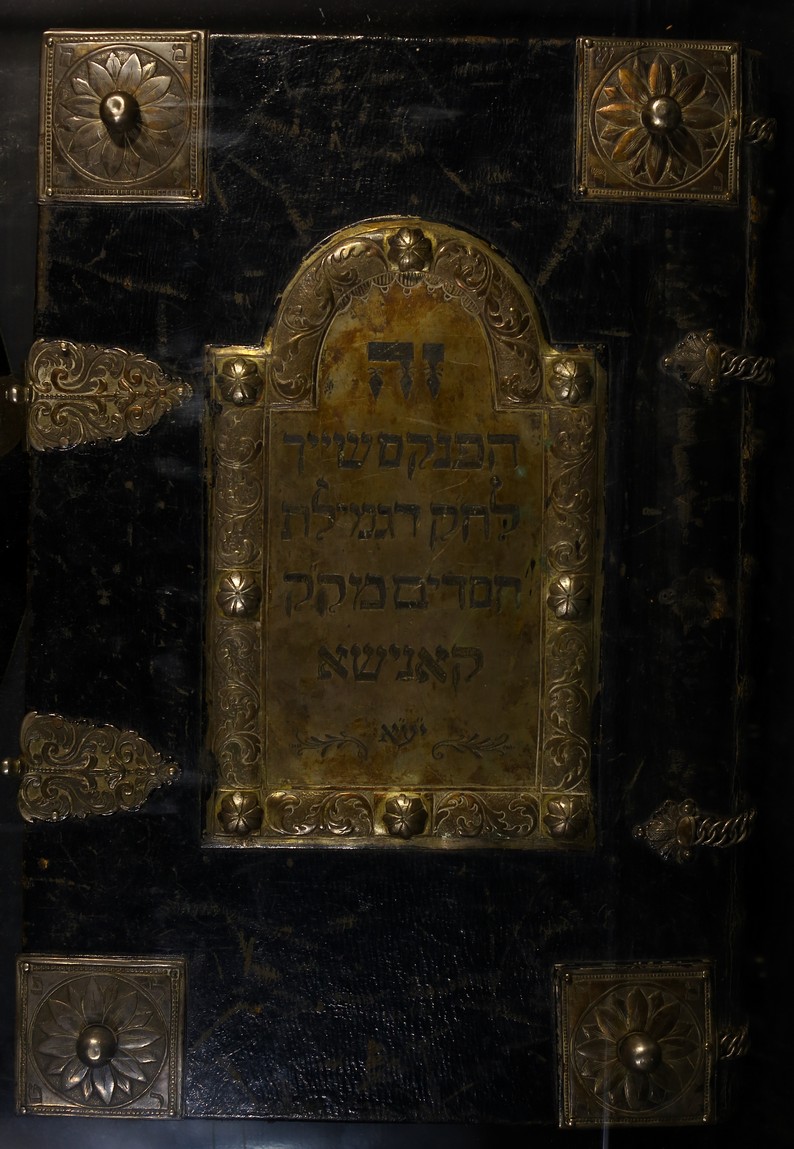
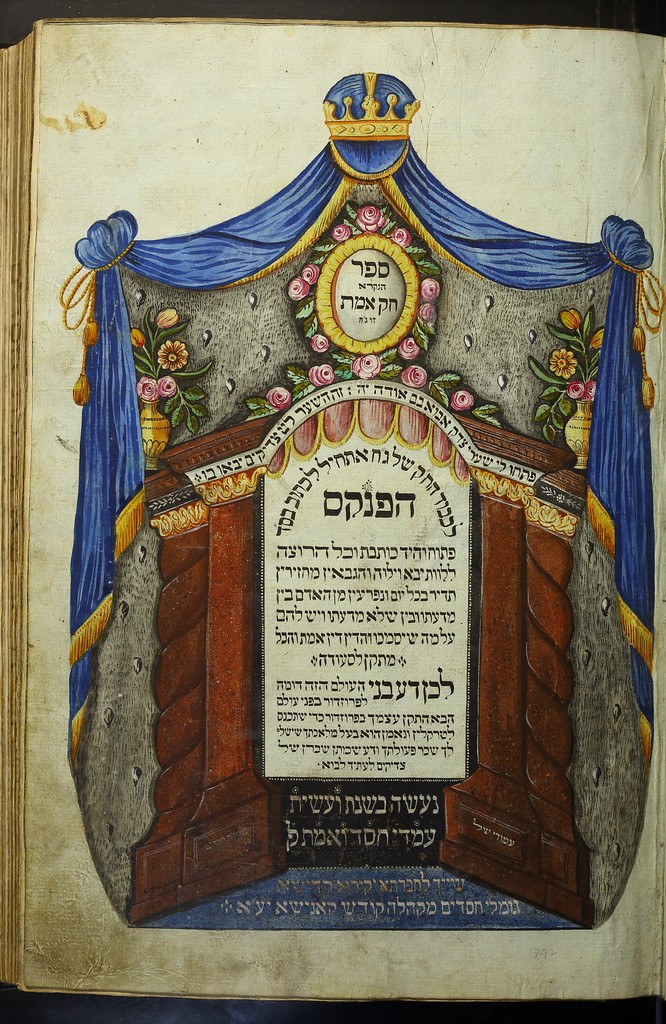
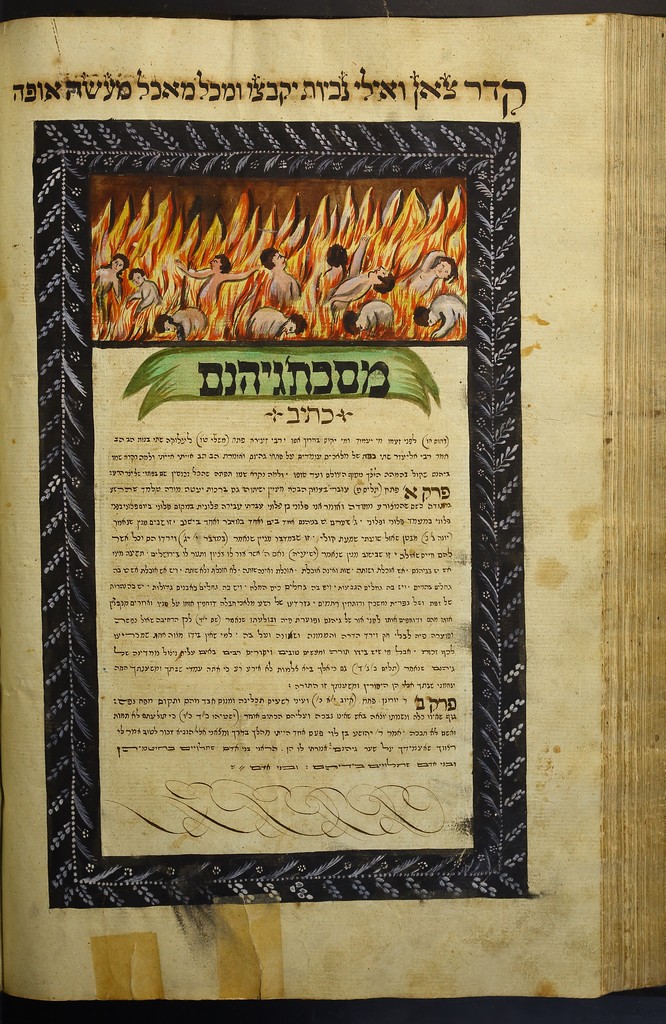
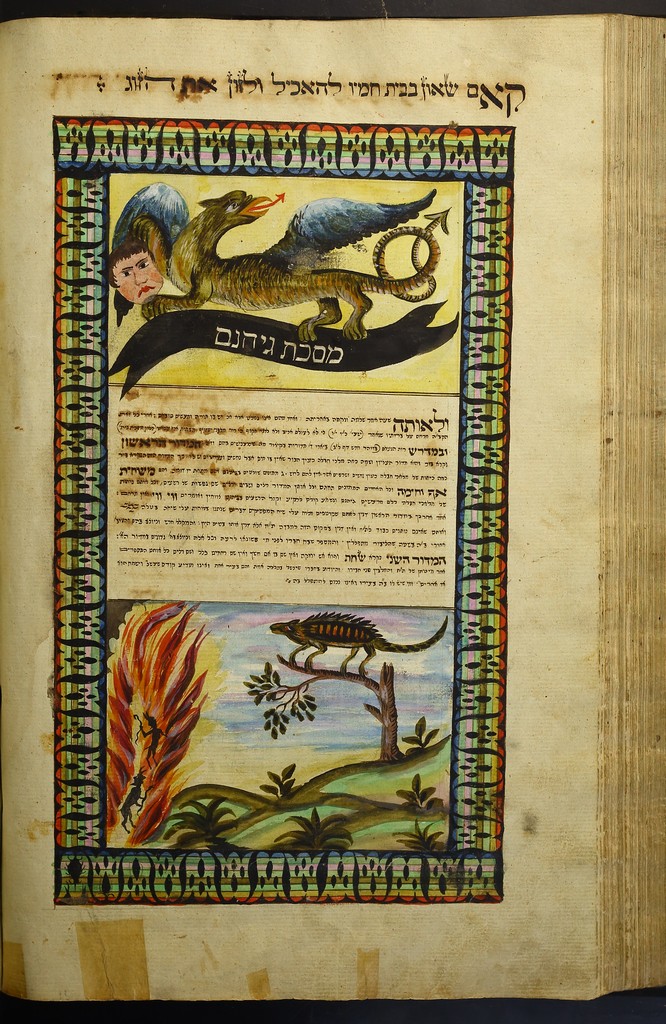
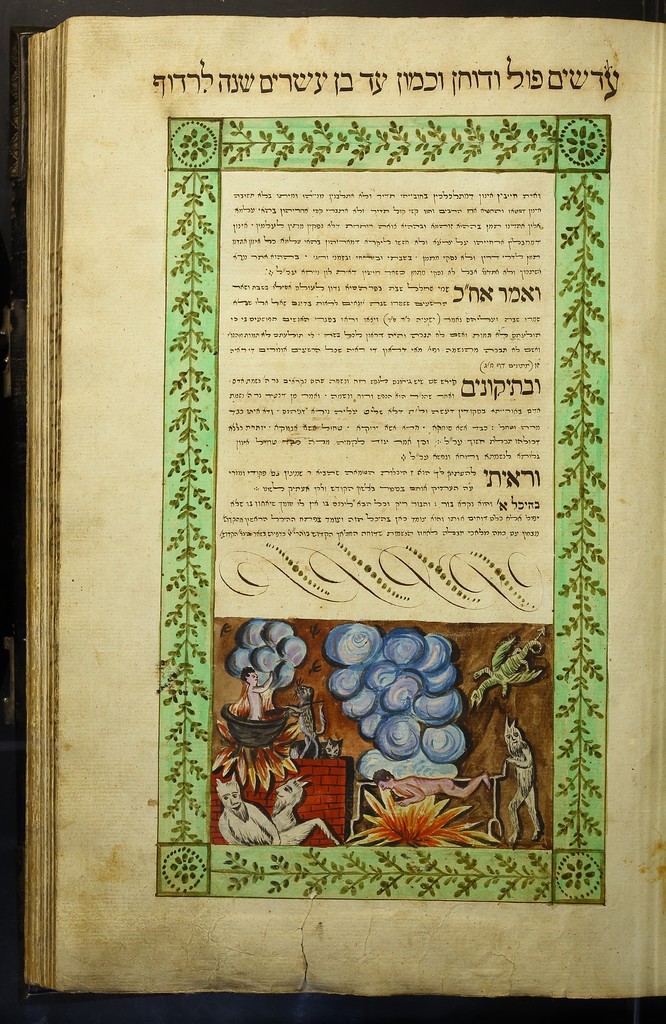
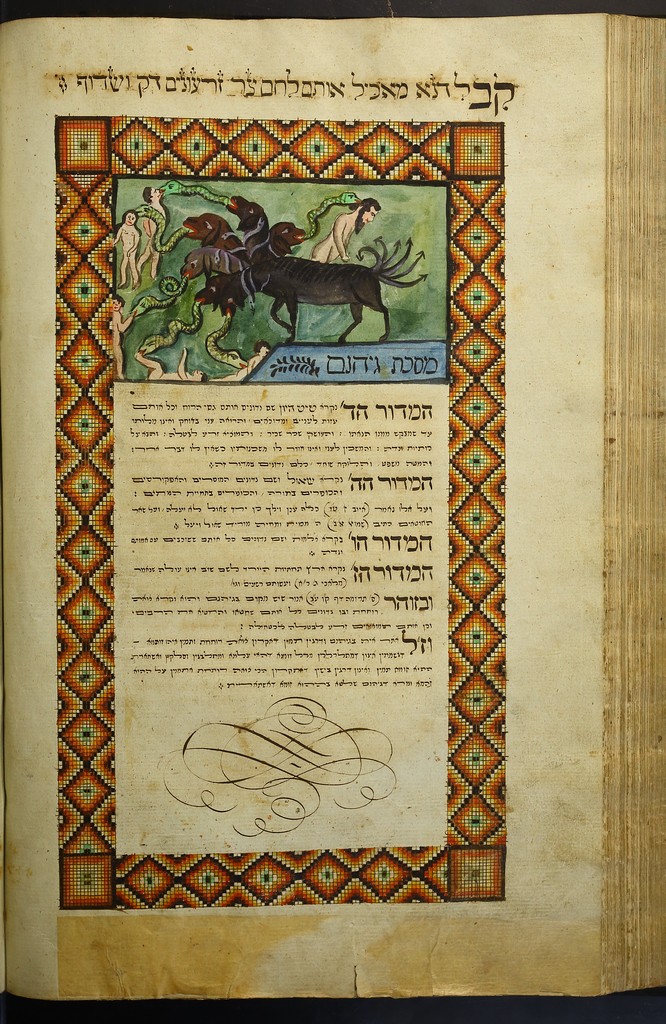
A Nagykanizsai Hevra Kadisa Könyvét 1973-ban kötötték be. A címlap dátuma szerint 1792-ben készült. Párhuzamai: a Prágai Hevra Kadisa freskói 1782-ből, az óbudai hevra-lap 1800-ból, és a Miskolci Hevra Kadisa okmánya. Magyarországon nyomtatott hevra-lapok a 18. század közepétől jelentek meg. A Nagykanizsai Hevra Kadisa kéziratos könyvének képei két tematikus csoportot alkotnak: a pokol tájait mutatják be, illetve a halállal és a temetéssel foglalkoznak. A kéziratos könyv Pokol traktátusa szerint a pokolbéli a szenvedésnek állomásai vannak. A pokol mélység, gödör (bor), így hasonlatos József történetének gödréhez, ahol Rási szerint nem volt víz, de békákkal és kígyókkal volt tele. A pokol állatai itt is kígyók és szárnyas vagy tüskés bőrű bestiák. A pokolnak bugyrai vannak, konkrét vétkek büntetéseinek helyei ezek. A hatfejű pokolbéli szörny szájából kígyók törnek elő, nyakaikat kígyók fonják körbe. Ezek marásaikkal a mezítelen bűnös lelkeket kínozzák. A pokol belsejének ábrázolása ördögöket, szárnyas szörnyeteget és üstben/nyárson tűztől szenvedő lelkeket mutat be. Ezek a képek Schöner Alfréd részletes elemzése szerint művészettörténetileg hasonlóságot mutatnak a poklot és a tisztítótüzet bemutató olasz és német keresztény ábrázolásokkal.
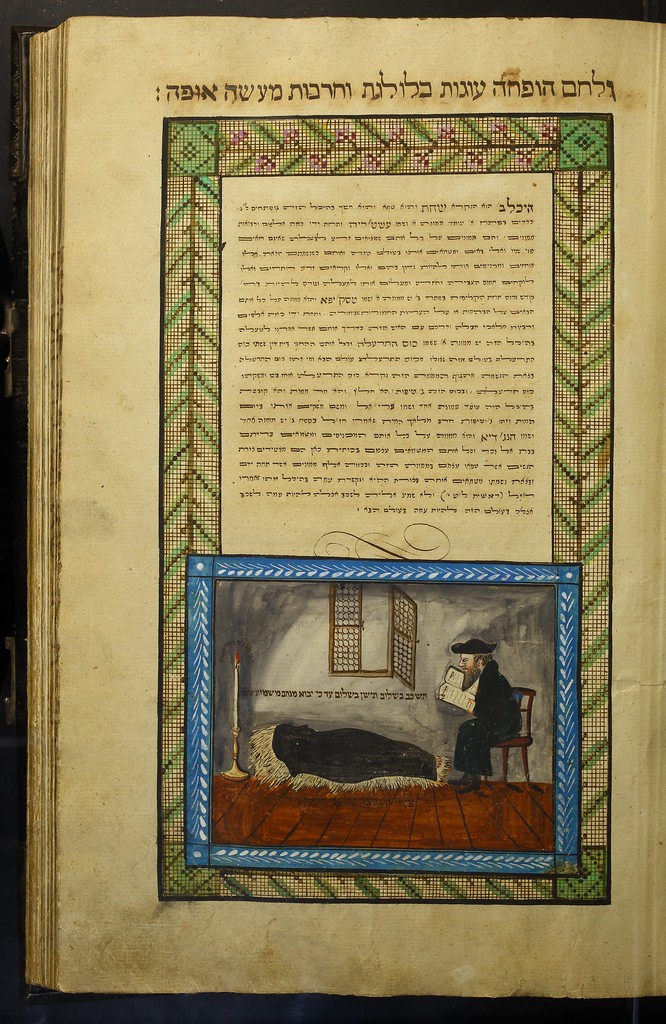
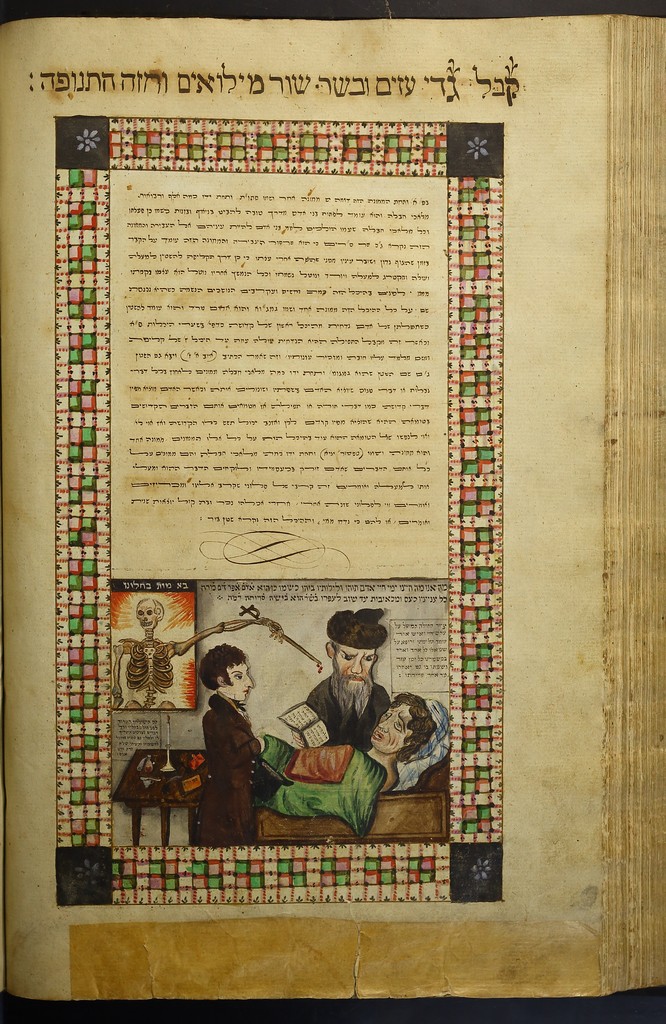
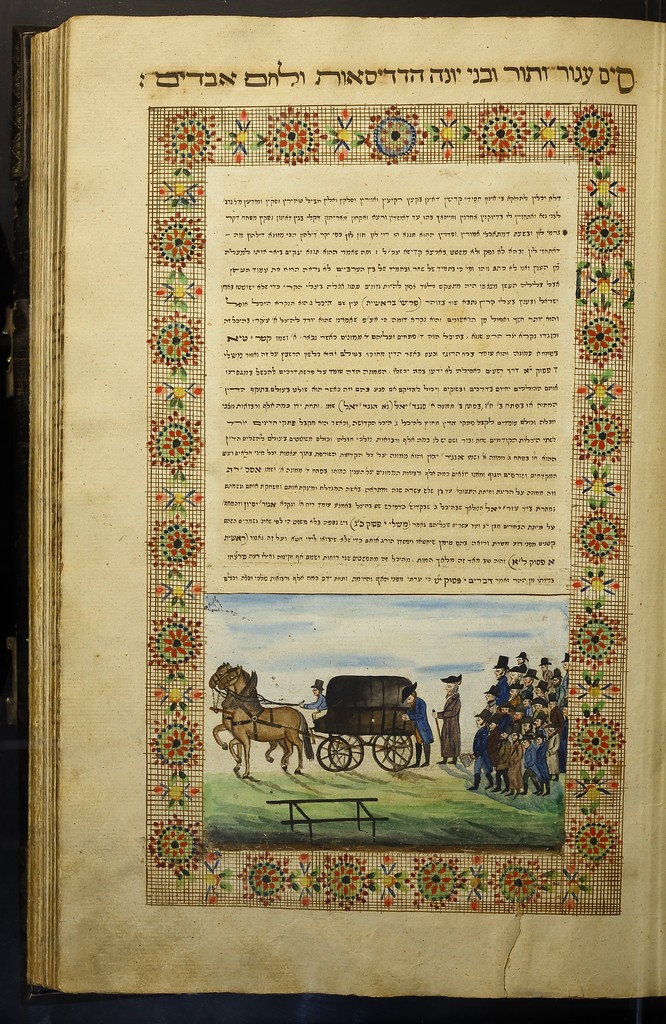
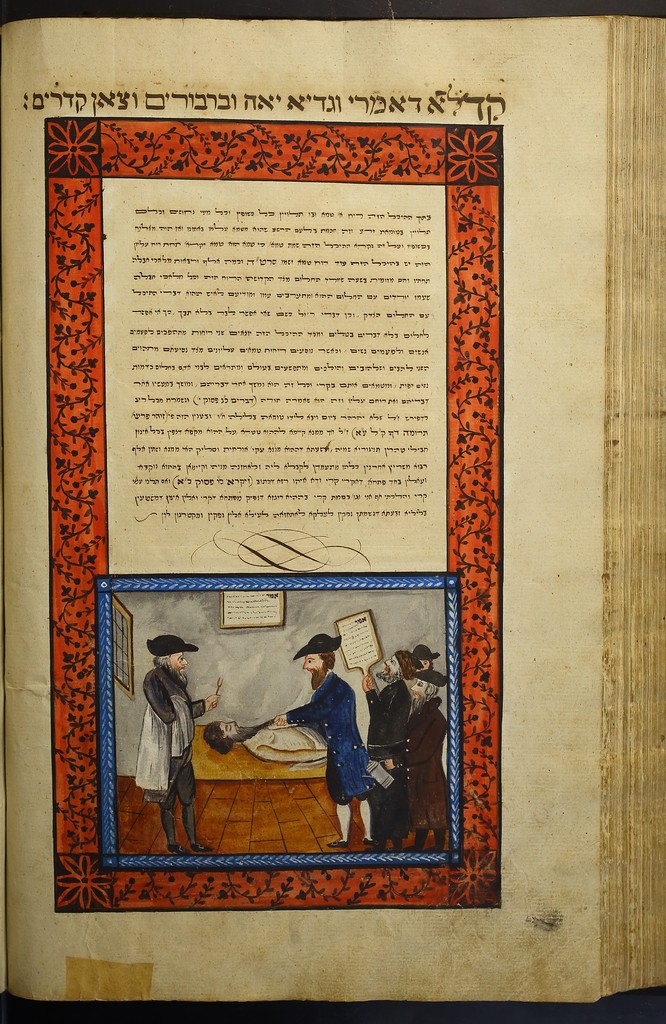
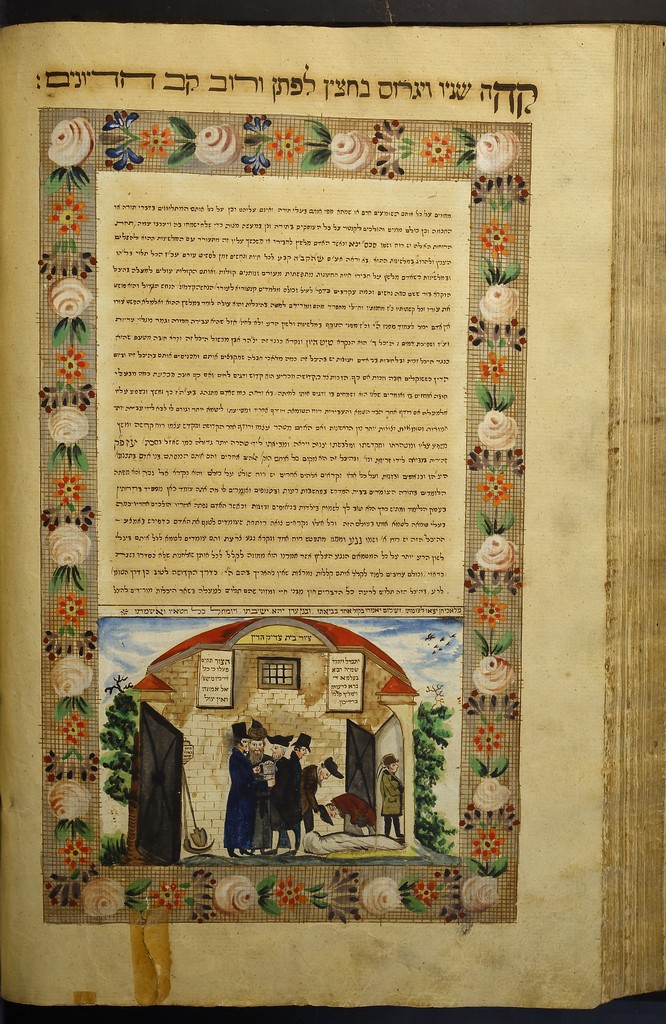
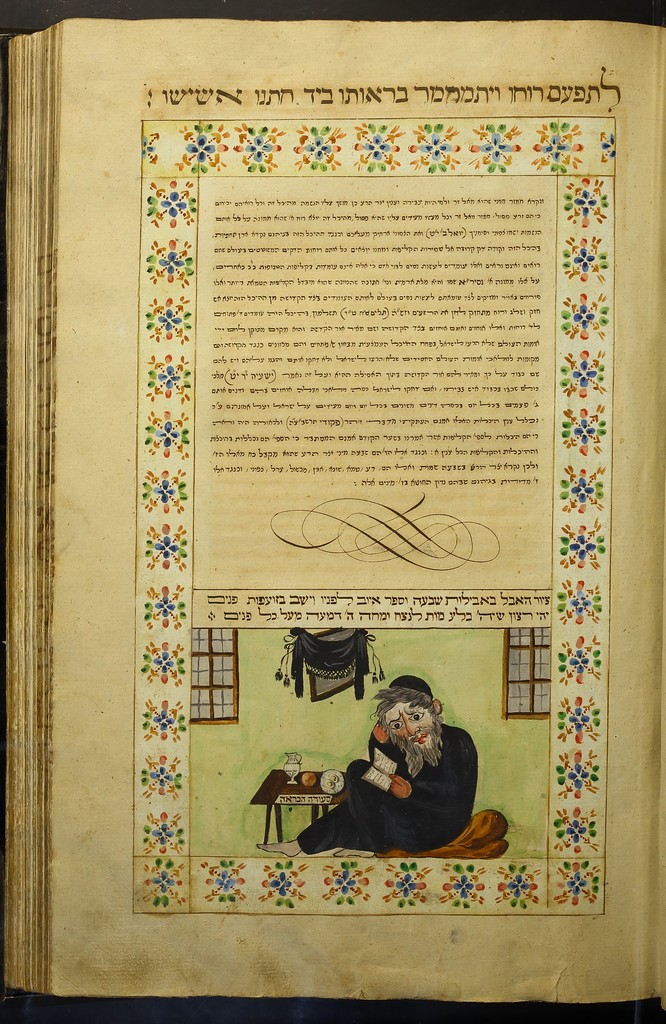
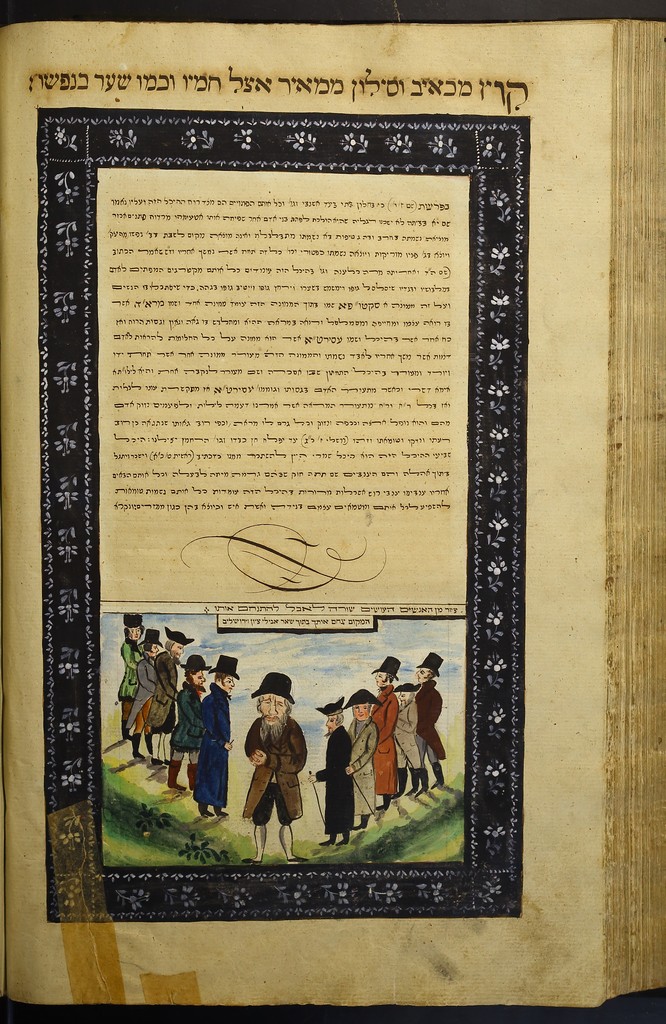
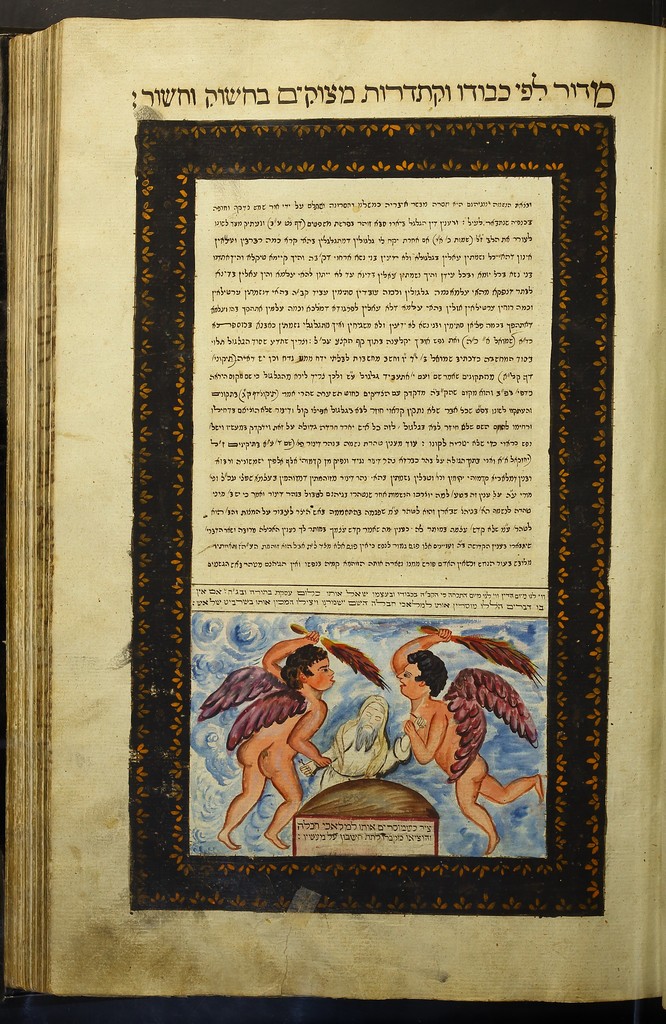
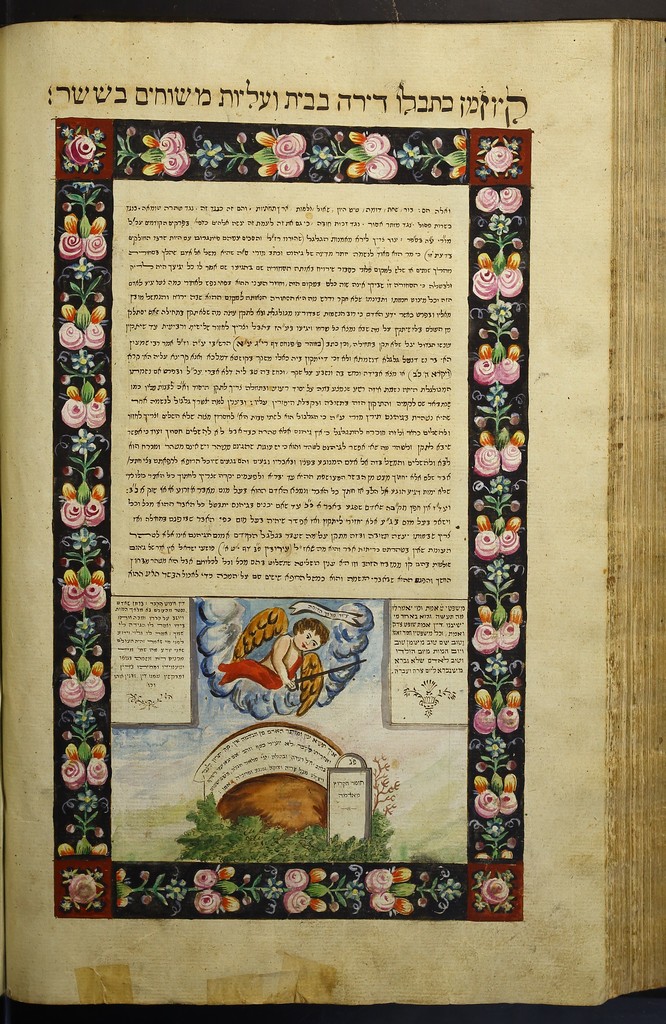
Az elhunyt és a gyászolók rítusait a másik tematikus képcsoport az agóniától a temetési szertartás végéig mutatja be. Ezeken stilizált lakókörnyezetek, közösségi helyek, épületek és viseletek láthatók. A közösség férfiai több képen Napóleon-kalapban jelennek meg. Ezt 1815-ig, Napóleon bukásáig hordták a nyugati zsidók. Ez a modern útra lépés jele is volt. A rabbik pedig a cseh-morva zsidókra jellemző felsőruházatban és prémes fejfedőben tűnnek fel.
What pictorial memories remained about the world of Jews of Nagykanizsa from the 18th century?
At the end of the 18th century, illustrated books and papers in several Jewish communities in Bohemia, Moravia, and Hungary recorded the moments of communal engagement with the sick and the dead at the end of human life. Both were the responsibility of the Holy Society, the Hevra Kadisha. This was a heavenly merit-earning charity, which gained its special value from the fact that nothing was expected in return from those who received it. Although the activities of the Holy Society involved contact with ritual impurity associated with death, they were mostly undertaken by important members of the community.
The Book of the Hevra Kadisha of Nagykanizsa was bound in 1973. According to the date on the title page, it was written in 1792. Parallels: the frescoes of the Hevra Kadisha of Prague from 1782, the Chevra leaf of Óbuda from 1800, and the document of the Hevra Kadisha of Miskolc. Chevra pages printed in Hungary appeared from the middle of the 18th century. The images in the manuscript book of the Nagykanizsa Hevra Kadisha form two thematic groups: they depict the landscapes of hell and deal with death and burial. According to the manuscript book’s treatise on hell, there are stages of suffering in hell. Hell is a deep pit (bor), similar to the pit in the story of Joseph, which, according to Rashi, had no water but was full of frogs and snakes. The animals of hell are also snakes and winged or spiny-skinned beasts. Hell has pits, which are places of punishment for specific sins. Snakes burst out of the mouth of the six-headed monster in hell, and snakes entwine their necks. They torment the naked souls of sinners with their fangs. The depiction of the interior of hell shows devils, winged monsters, and souls suffering in cauldrons or in spits. According to Alfréd Schöner’s detailed analysis, these images show similarities to Italian and German Christian depictions of hell and purgatory in the history of art.
The rites of the deceased and the mourners are depicted in another thematic group of images, from agony to the end of the funeral ceremony. These show stylized living environments, community spaces, buildings and clothing. The men of the community appear in several pictures wearing Napoleon hats. These were worn by Western Jews until 1815, when Napoleon fell. It was also a sign of moving towards modernity. The rabbis appear in the outer garments and fur hats typical of Bohemian-Moravian Jews.
Részletek a Nagykanizsai Hevra Kadisa (Szentegylet) könyvéből.
A mű illusztrációit a kaboldi Jichak Eizik készítette.
Details from the book of the Nagykanizsa Hevra Kadisha (Holy Society).
The illustrations for the work were created by Yitzhak Eizik from Kabold.
© Magyar Zsidó Múzeum és Levéltár, Budapest