
Kinek, hol és milyen formában szóljon az emlékállítás? / To whom, where, and in what form should the memorial be addressed?
1945-ben visszatérő túlélőkből újra alakult hitközségekben vita folyt arról, hogy miként, hol és kit emlékeztetve kell emlékművet állítani a Vészkorszakban elhunyt mártíroknak. A zsinagógák belső tereiben elhelyezett emléktáblák vagy a temetőkben felállított emlékművek a közösségnek szóltak. A köztérre szánt emlékmű gondolata mögött a társadalom emlékeztetése lett volna a cél. Olyan vélemények is megfogalmazódtak a zsidó sajtóban, hogy az elvándorlás a Szentföldre szükségtelenné teszi az emlékállítást az elhurcolt egykori közösségek településein.
Győrben orthodox és neológ részről egyaránt határozott törekvés volt emléket állítani a Vészkorszak mártírjainak. Az orthodox közösség a középkori Memorbuch-hagyományt vette alapul, és egy tekercset tervezett íratni a mártírok neveivel. Snyders Jakab főrabbi és dr. Krausz Mór elnök vezetésével az újra alakult hitközség arról határozott, hogy a Mártírok könyvét minden évben a deportálás évfordulóján a gyászszertartás keretében olvassák fel. Azon orthodox hozzátartozók héber neveit várták 1947. január 31-ig, akiket a győri gettóból hurcolta el.
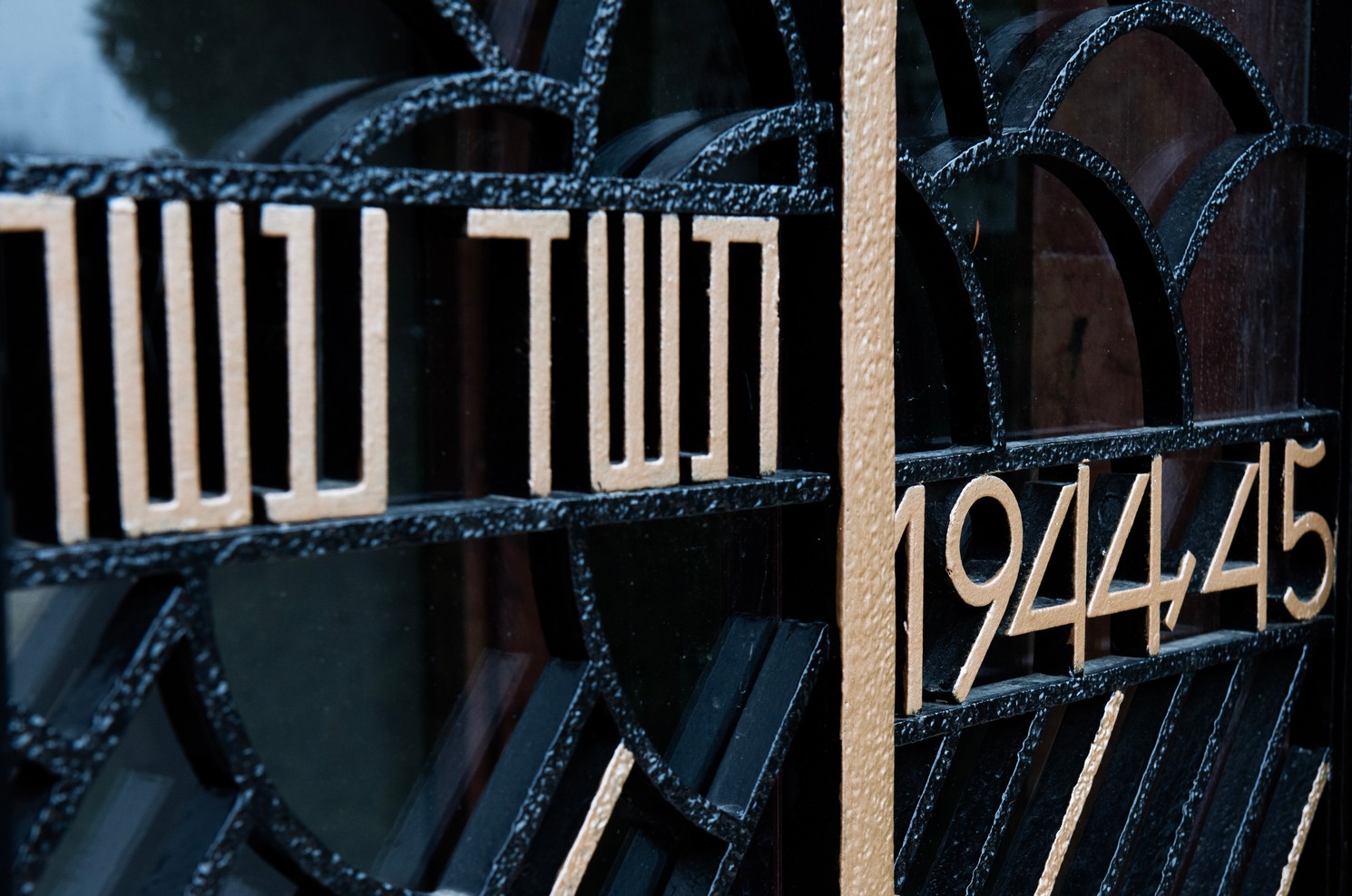
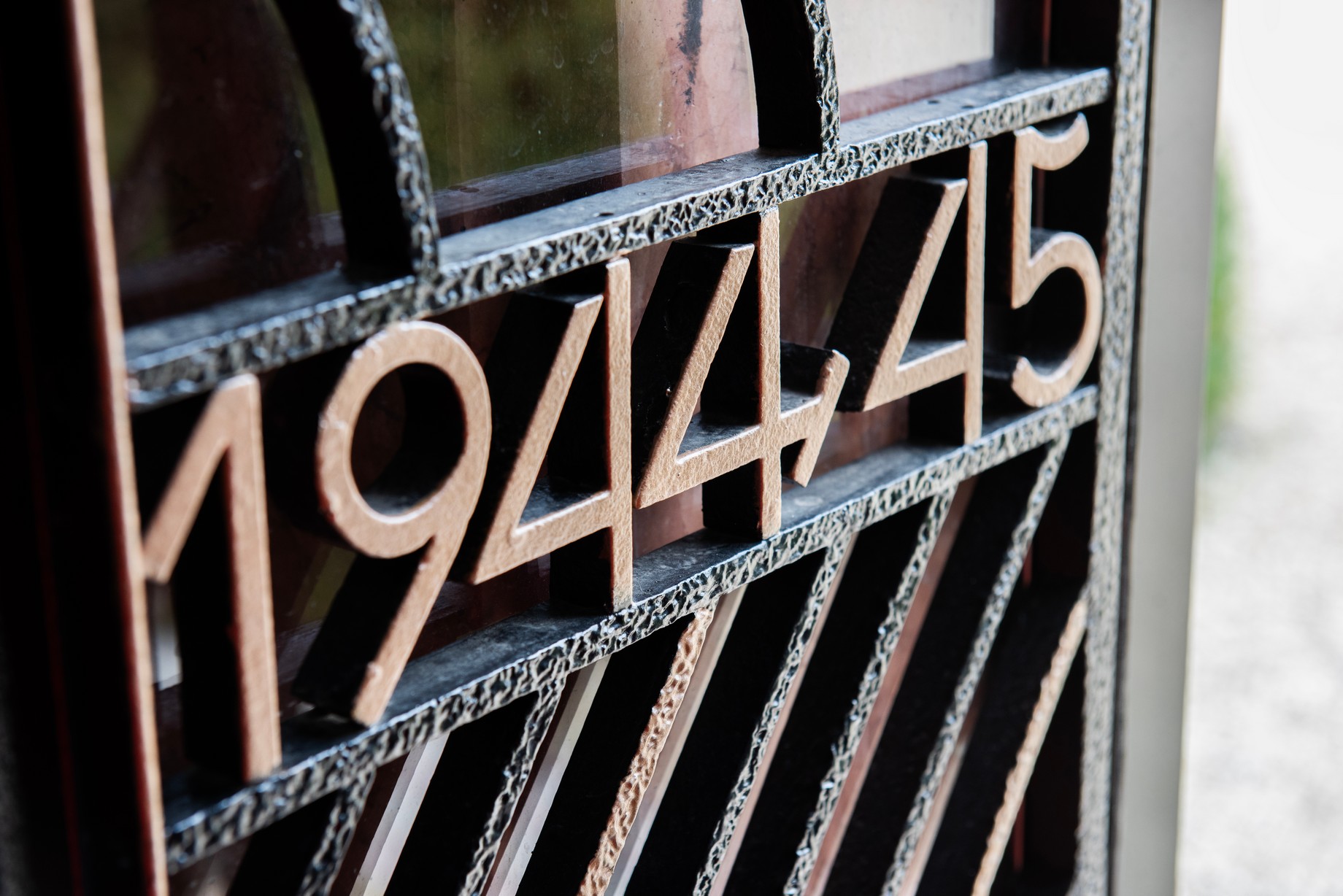
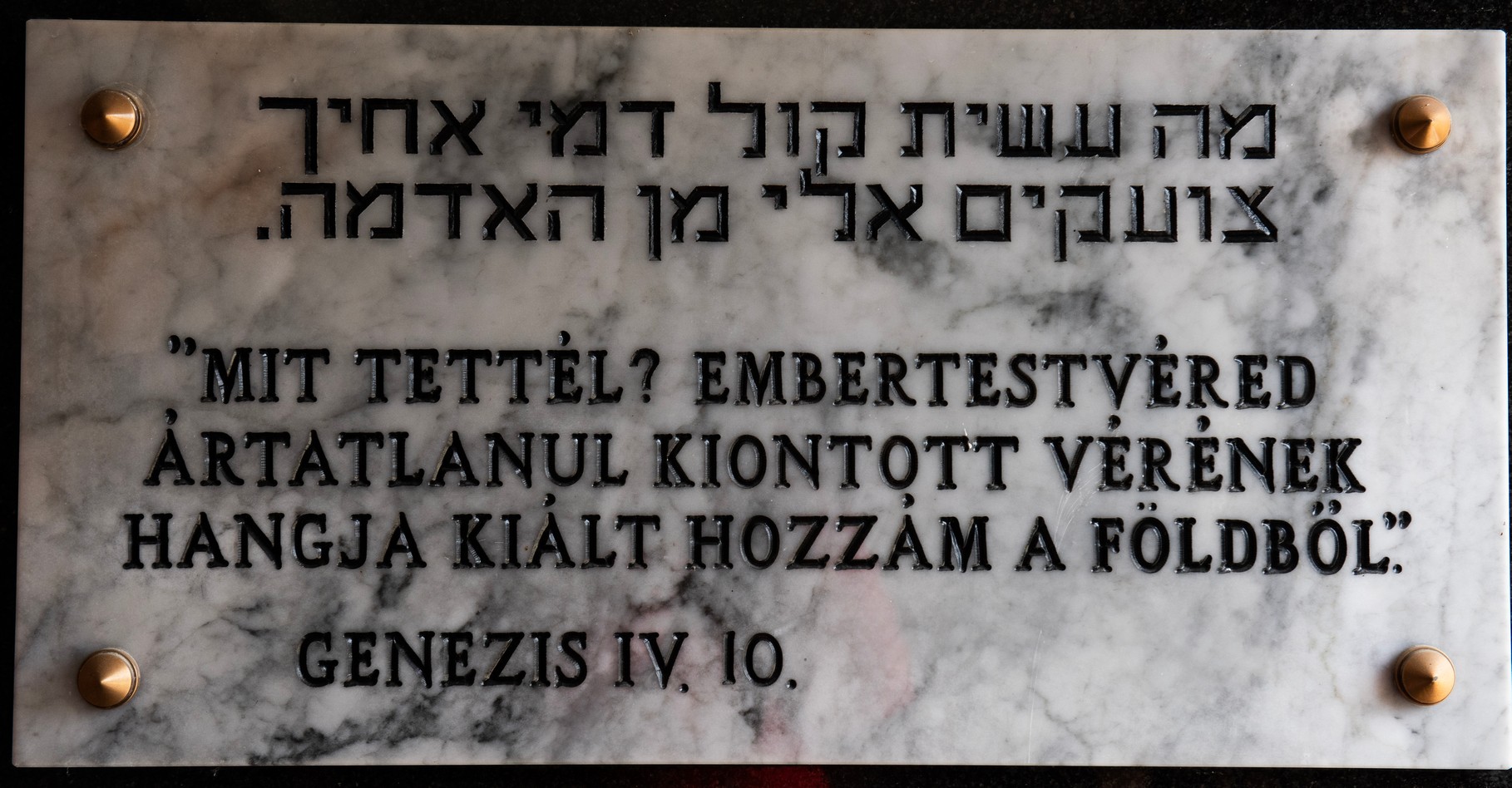
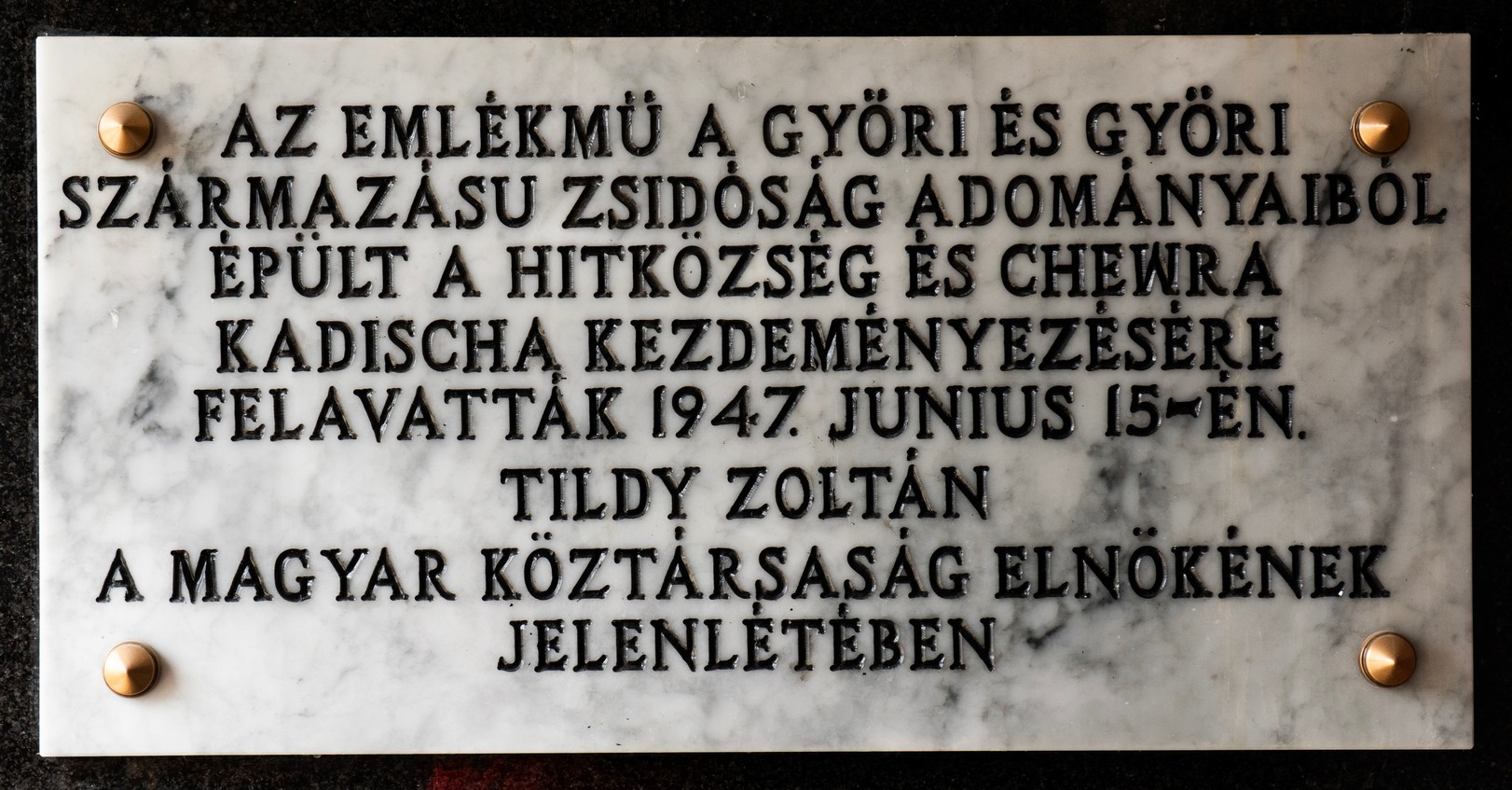
Az újra alakult neológ zsidó hitközség 1946. márciusa előtt megalakította a Győrből Elhurcolt Zsidó Vértanúk Emlékműbizottságát. Az emlékműterveket Adler Manó (1898–1982) győri építészmérnök készítette, aki maga is munkaszolgálatos volt és a neológ hitközség aktív tagja. A győri zsidóság az áldozatok emlékkönyvét Schima Bandi helyi lakatosmester-iparművész végezte. „A munkaszolgálatban és deportálásban elhunyt ötezer győri zsidó emlékműve” 1947. májusára készült el. Az Új Élet közlése szerint a város költségén, 100 000 forintból építették.
To whom, where, and in what form should the memorial be addressed?
In 1945, as Jewish communities were reestablished by returning survivors, there was debate over how, where, and in memory of whom to erect memorials to the martyrs who had perished during the Holocaust. Memorial plaques placed inside synagogues or monuments erected in cemeteries were intended for the community. The idea behind a monument intended for public space was to serve as a reminder to society. Opinions were also expressed in the Jewish press that emigration to the Holy Land rendered the erection of memorials unnecessary in the settlements of the former communities that had been deported.
In Győr, there was a strong effort on the part of both the Orthodox and Neolog communities to erect a memorial to the martyrs of the Holocaust. The Orthodox community drew on the medieval Memorbuch tradition and planned to commission a scroll inscribed with the names of the martyrs. Under the leadership of Chief Rabbi Jakab Snyders and President Dr. Mór Krausz, the reestablished congregation decided that the Book of Martyrs would be read aloud each year on the anniversary of the deportation as part of the memorial service. They awaited the Hebrew names of those Orthodox relatives who had been deported from the Győr ghetto until 31 January 1947.
Before March 1946, the newly reestablished Neolog Jewish congregation formed the Memorial Committee for the Jewish Martyrs Deported from Győr. The memorial plans were drawn up by Manó Adler (1898–1982), a civil engineer from Győr, who had himself been a forced laborer and was an active member of the Neolog community. The memorial book for the victims was crafted by Bandi Schima, a local master locksmith and artisan. “The Memorial to the Five Thousand Jews of Győr Who Died in Forced Labor and Deportation” was completed in May 1947. According to a report in Új Élet, it was built at the city’s expense, costing 100,000 forints.
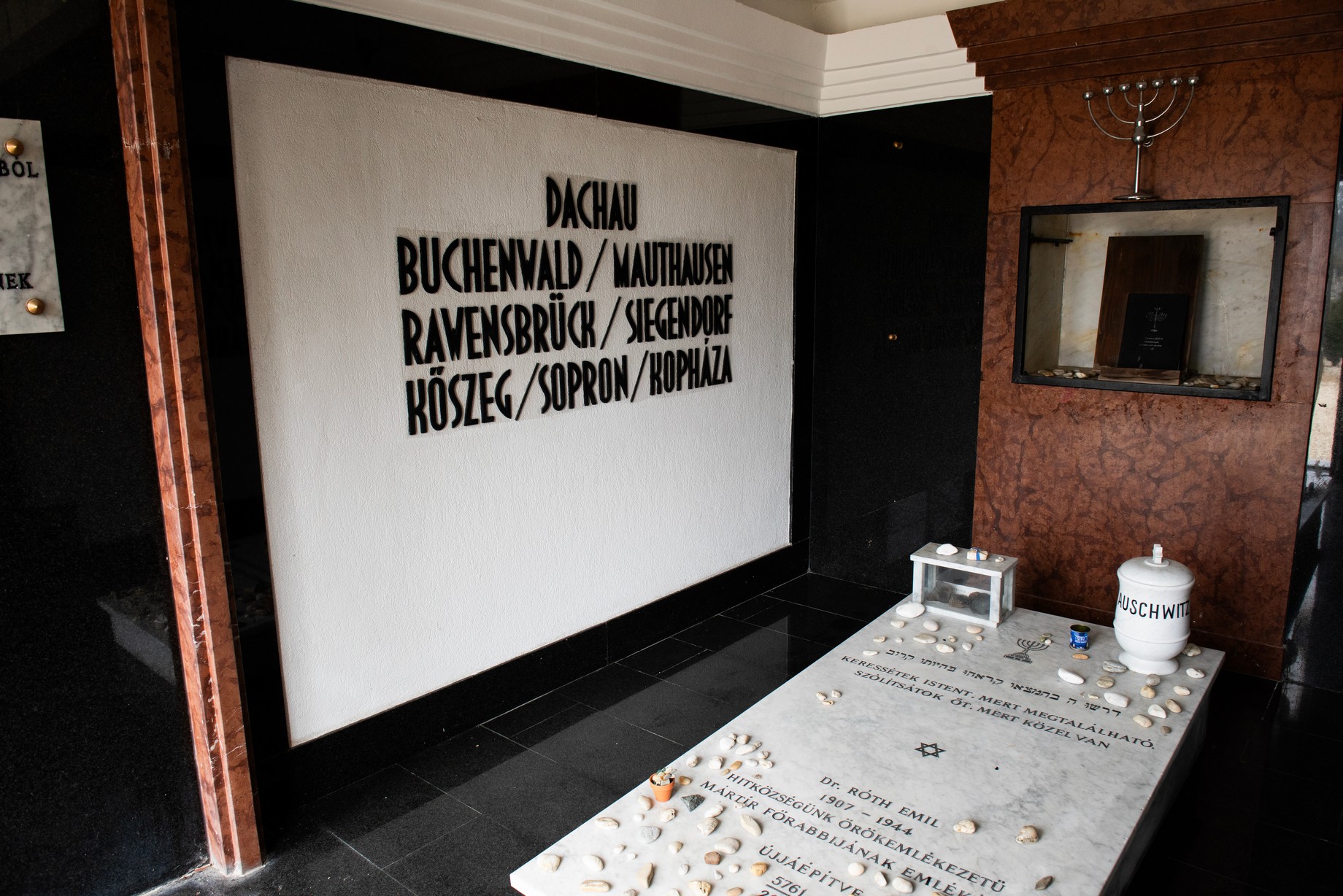
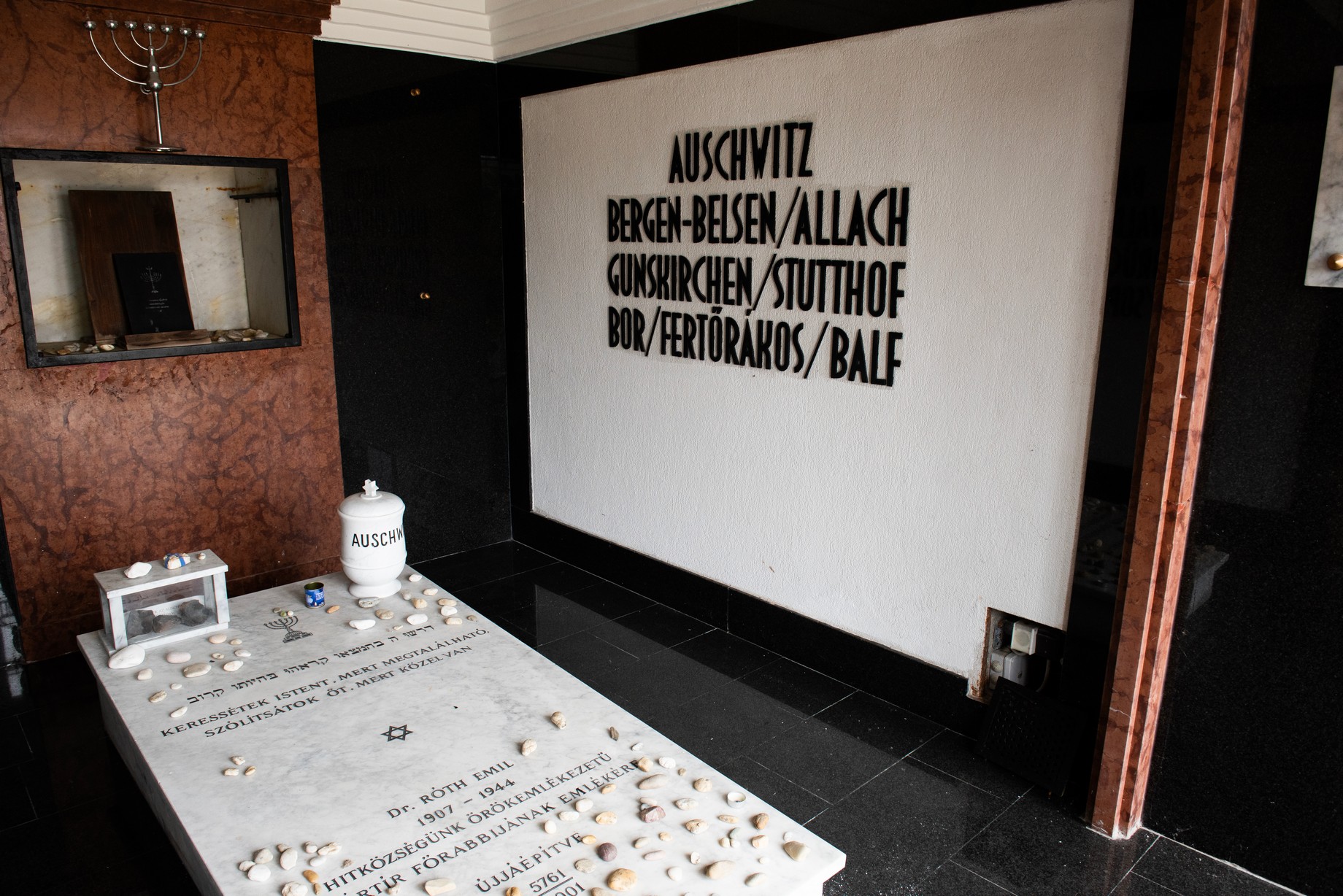
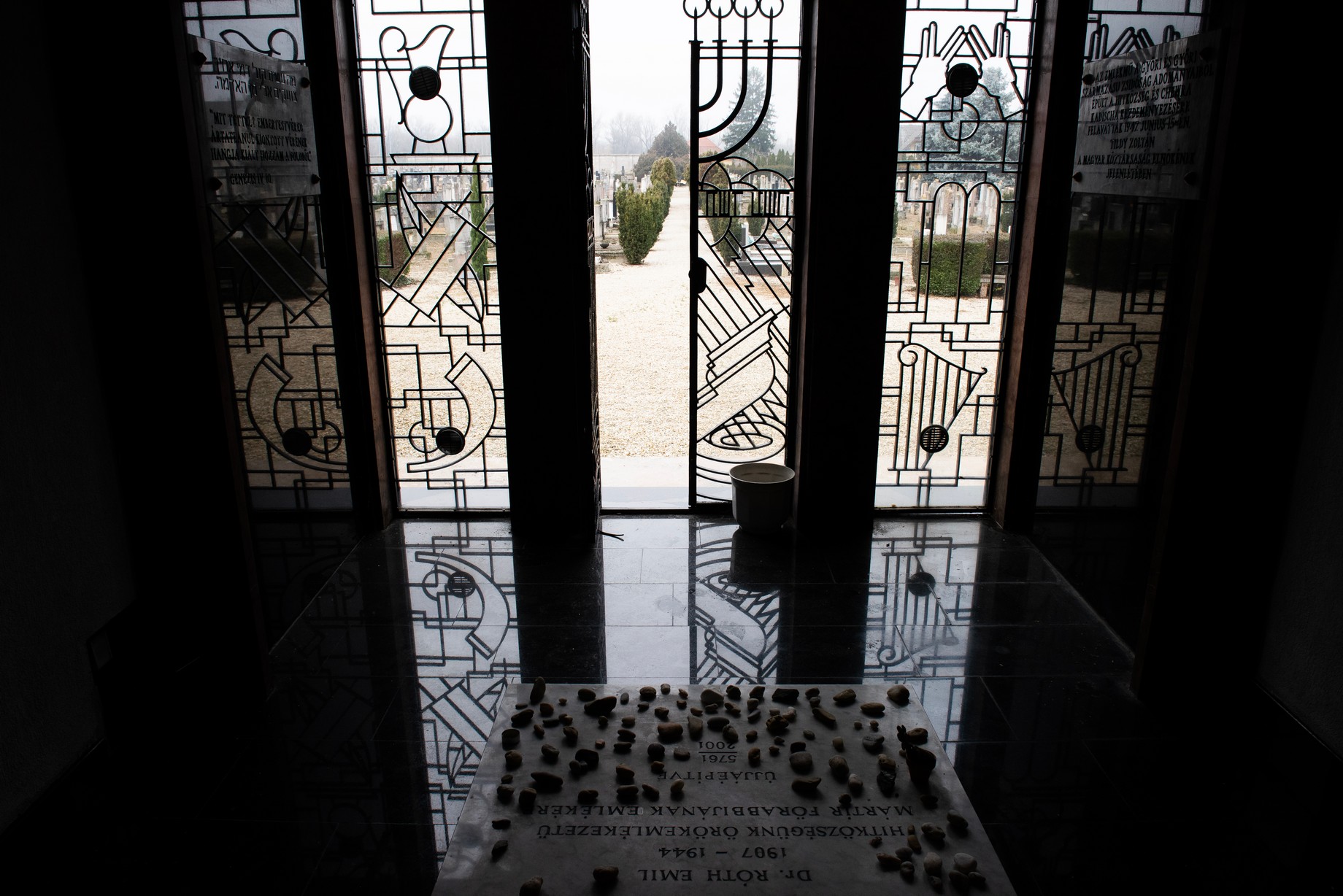
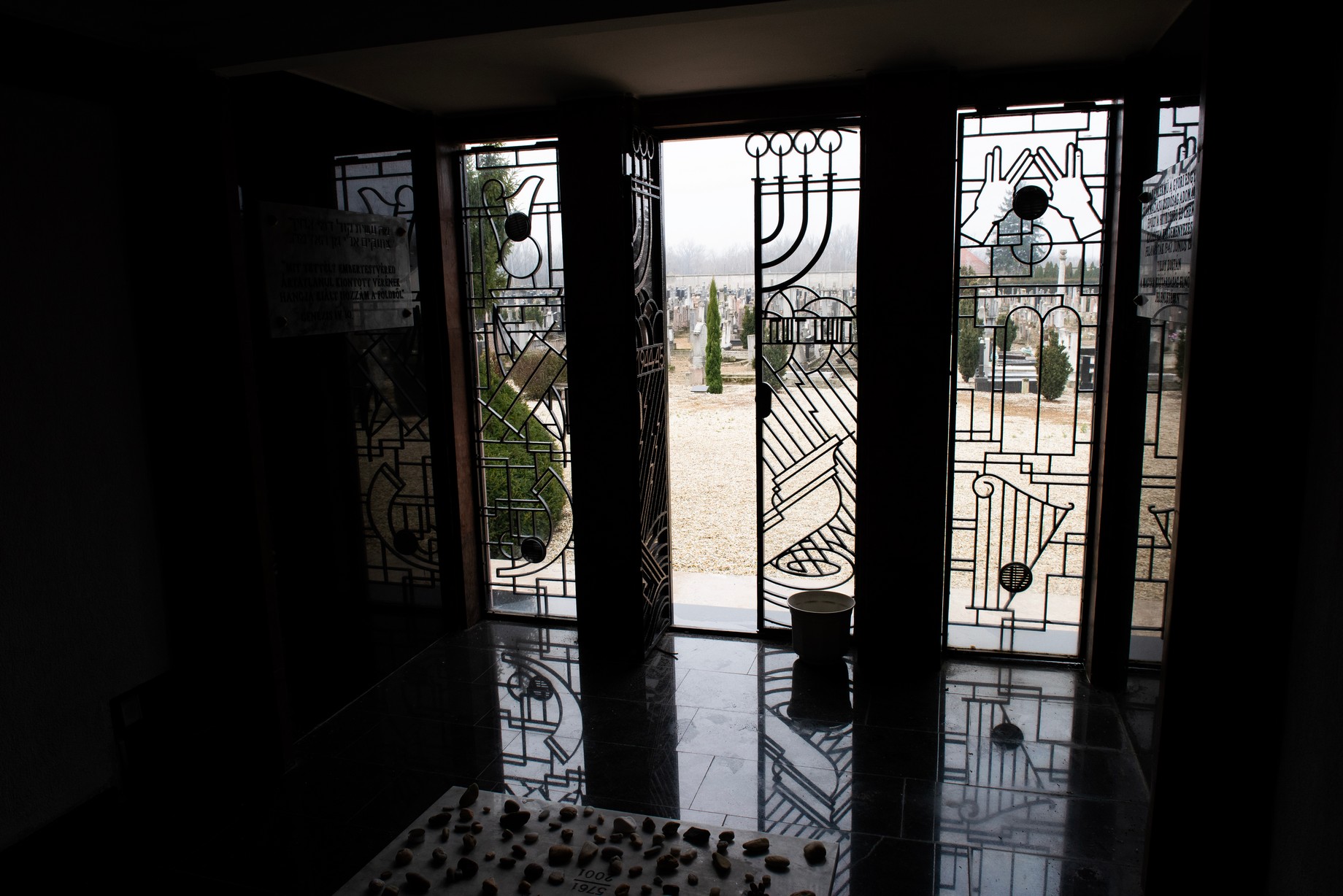
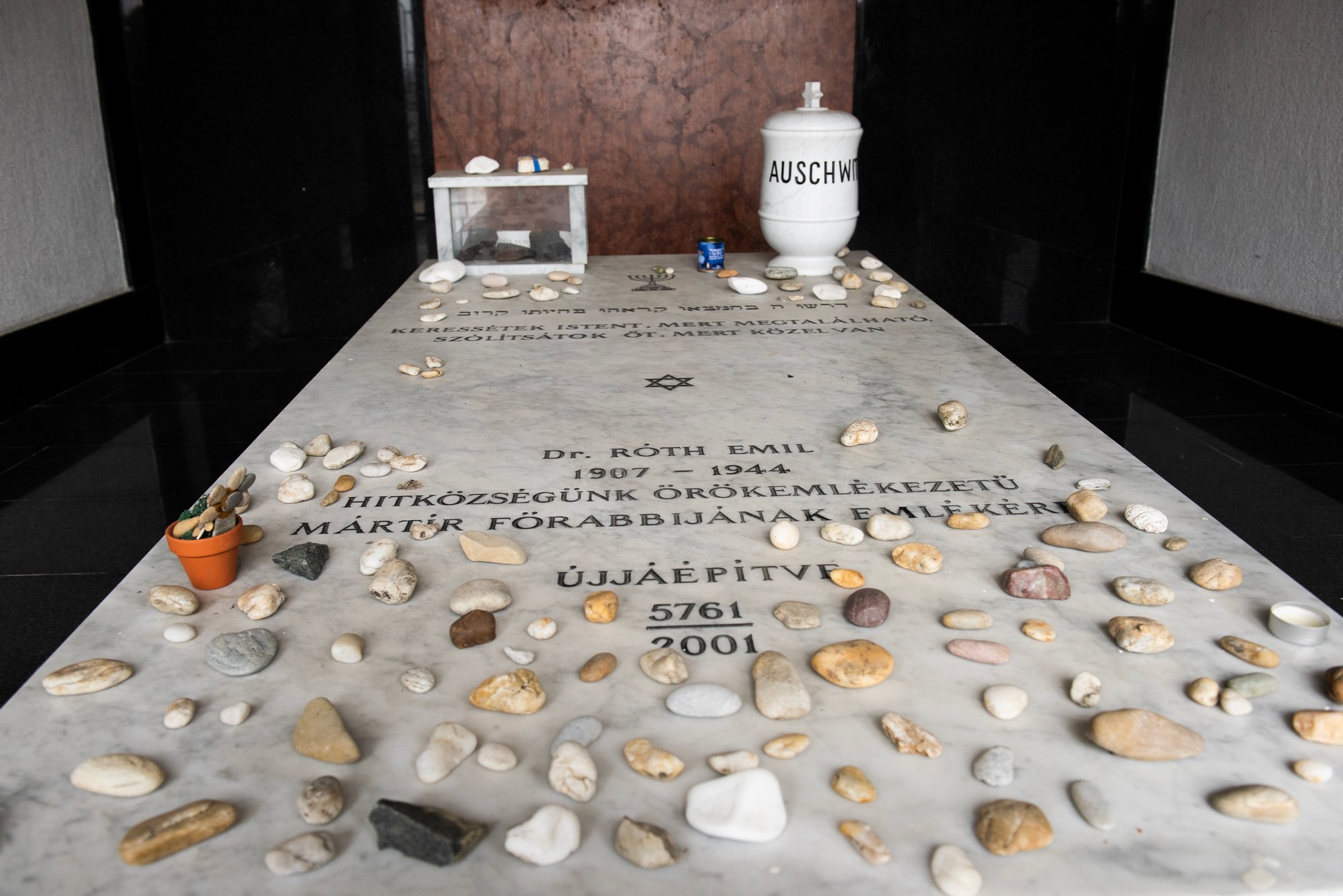
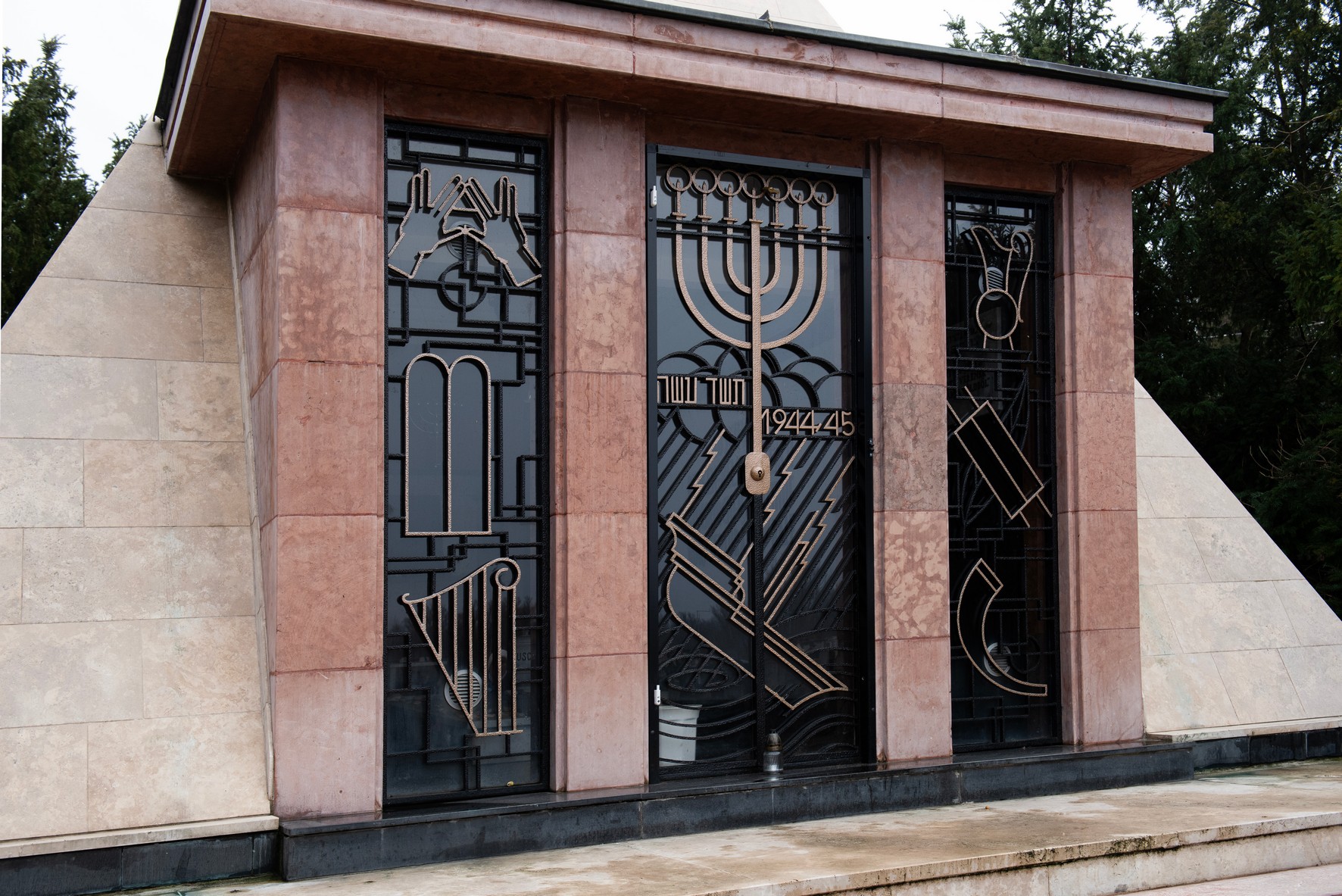
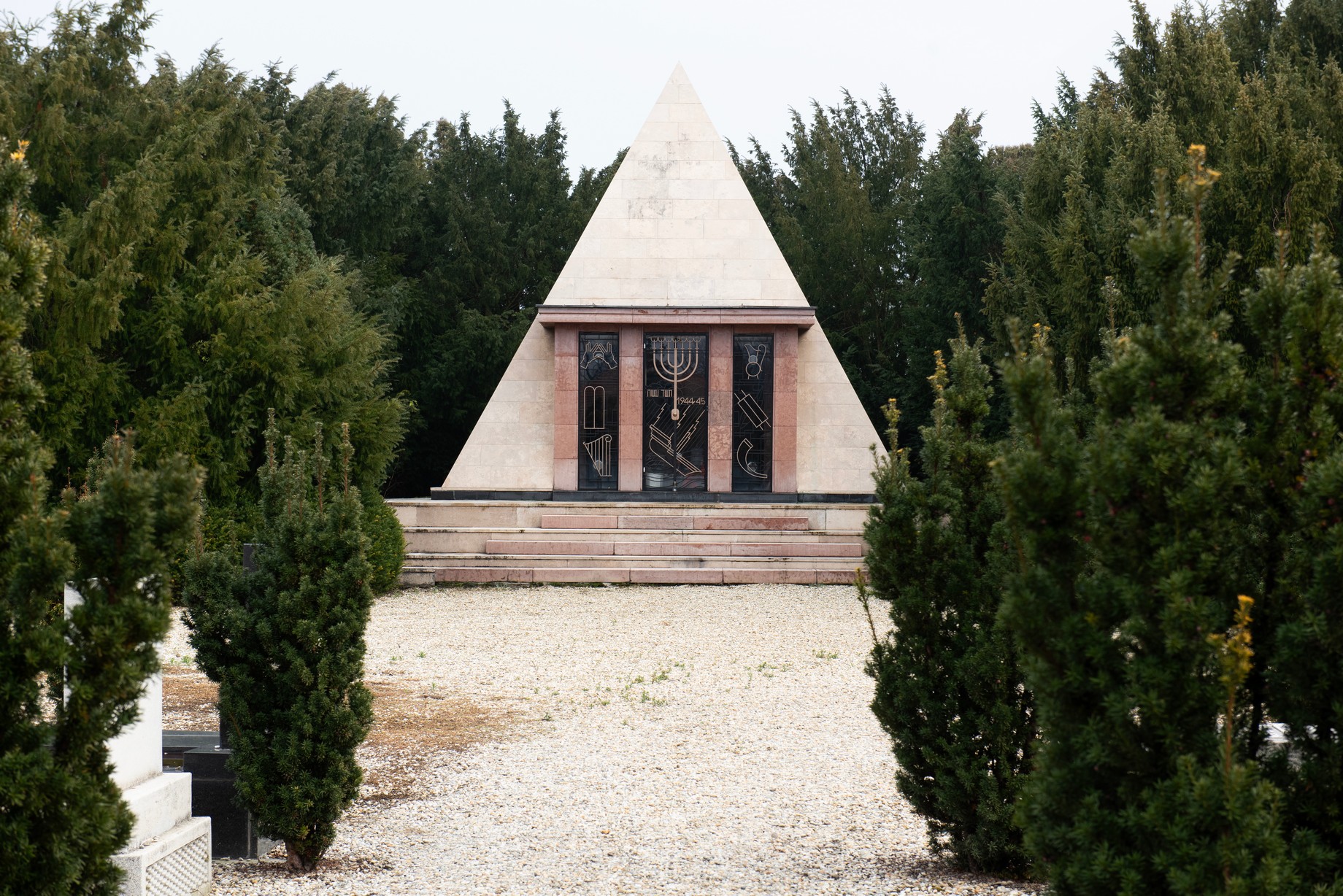
Mártírok emlékműve
Martyrs’ Memorial
Fotók: Schiller Noa
Photos: Noa Schiller